

By Rozalyn Shepard
Is Youth Violence an Epidemic That Could Hurt Someone You Love?
Greetings, everyone, and welcome to the Create Conversations Community.
When we talk about youth violence, we often focus on what happened, who was involved, and how the situation should be handled after harm has occurred. Those conversations are important, but we must also be willing to look deeper. We must ask what young people may be experiencing before they become involved in crime or violent behavior.
Youth violence does not happen in isolation. It can be connected to the conditions surrounding a young person, including the family system, the community, education, and access to sustainable opportunity. Today, I want to focus on the first of the four obstacles to success faced by poor families, dysfunctional family systems.
Looking Within Our Families
A young person’s first understanding of love, communication, conflict, responsibility, and safety often begins at home. Family is where many young people first learn how to express emotions, respond to disagreement, trust others, accept accountability, and seek help.
When a family system is affected by unresolved wounds, instability, poor communication, constant conflict, emotional disconnection, or the absence of positive guidance, young people may struggle to develop the tools they need to handle life’s challenges. They may carry anger that has never been addressed, pain they do not know how to express, or fear they have learned to hide.
These circumstances do not mean that every young person from a difficult family environment will become violent. They do mean that when young people lack stability, support, guidance, and healthy examples, they may become more vulnerable to isolation, negative peer influence, retaliation, and harmful choices.
Dysfunctional Family Systems and
Youth Violence by Rozalyn Shepard
Continues After Sponsor's Messages Below...

New Self-Help Book “Blame It on the Feel of Pain” About Detangling From Past Pain

Get ready for a transformational journey toward inner peace as indie author Max W. Miller’s new self-help release, Blame It On The Feel Of Pain, inspires readers in a witty, down-to-earth book. Truth and compassion are foretold, using poetic frames called ‘The Wises,’ and the help of opinionated little emojis bringing laughter and thought-provoking conclusions throughout.
The author encourages her readers, whom she also calls partners, to stop wrestling with the hard knocks of the past. She expresses how voluntarily walking back into time precedes trauma healing. Confronting lingering pains is a step toward strength and hope for the future. ‘Blame It’ delves into the author’s life experiences, bringing to life the importance of using Full Circle Moments to find resolutions.
Throughout Blame It On The Feel Of Pain, the reader grows to understand through a unique interpretation that what we are destined to become grows out of the years we’ve already traveled. Further, our future hinges on how we address the pains of the past. Other expressions focus on how desires in the present are carved out of having a clear vision that old, lingering strongholds must be defeated. A history of suffering is a prerequisite for becoming fed up enough to demand enjoyment now!
To Get On the Road To Overcoming Your Trauma See Her Exclusive Interview
Order Her Book Blame It On The Feel Of Pain
Dysfunctional Family Systems and
Youth Violence by
Rozalyn Shepard Continues Below...
Questions Worth Asking
Are we communicating with young people, or are we only correcting them after something goes wrong?
Do the young people in our families feel safe enough to express fear, sadness, anger, and confusion?
Are we modeling the communication, accountability, emotional strength, and conflict resolution that we expect young people to develop?
Are unresolved wounds affecting the way we respond to one another?
Do our young people have adults they can trust, adults who will listen, provide guidance, set healthy boundaries, and help them see a positive future?
These questions are not meant to shame families. They are meant to help us recognize patterns that may need healing. Every family has challenges. The important question is whether we are willing to acknowledge those challenges and work toward healthier relationships.
Healing Is Part of Prevention
Healing is an important part of prevention because healthier individuals and healthier families can create stronger foundations for young people. When people learn to communicate, manage emotions, resolve conflict, accept responsibility, and repair relationships, they create a different environment for the next generation.
Prevention begins before a young person reaches a crisis point. It begins when adults listen, when families seek support, when communities stop accepting disconnection as normal, and when young people are surrounded by consistent guidance and positive examples.
This is why we must look within ourselves and our families with honesty and compassion. We must be willing to identify dysfunction, not to condemn one another, but to understand what needs to change. We cannot build safer communities without strengthening the relationships that form the foundation of those communities.
The Create Conversations Community’s Program
The Create Conversations Community addresses dysfunctional family systems through a program that promotes healing, communication, mentorship, emotional development, leadership development, and positive adult guidance. Building healthier individuals and families helps create stronger foundations for young people and safer communities.
Through this program, we are creating positive pathways that help young people develop confidence, direction, emotional awareness, communication skills, leadership, and a stronger connection to their future. Young people need more than correction after a problem occurs. They need support, guidance, mentorship, opportunity, and adults who are willing to help them grow.
Join the Conversation
What do you think young people are missing that leads some of them to become involved in crime or violent behavior?
This blog does not have a comment section, so I invite you to join the Create Conversations Community Facebook group and share your thoughts there. Think about your own experiences, your family, and the young people in your community. What support, guidance, or stability could make a difference?
Join the group here: https://www.facebook.com/groups/createconversationscommunity
Support the Launch
We are raising $50,000 as an initial launch development milestone, not as the full budget for the initiative. This first step will help us begin building the foundation for the larger vision. If you believe every young person deserves a safer, more hopeful future and you believe in this work, please support the launch by making a gift using the link below, hosting an online fundraiser, or sharing this story.
Support the launch here: https://givebutter.com/support-sustainable-community-growth-xklxiv
For more detailed program information, email conversations@risenetwork.net.
Thank you for taking the time to read, reflect, and join this important conversation
.
Let’s Build the Future, Together.
Rise Network Community Development Corporation


| ------------ |
Published Author in Her Family

Alexis Donald, MD, a trailblazing African American medical doctor and advocate for empowering young minds, is thrilled to announce the release of her highly anticipated children’s book, Mommy I Want to be a Doctor. Based on her own remarkable journey, this captivating story encourages children to dream big, believe in themselves, and fearlessly pursue their aspirations.
As the first medical doctor in her family, Dr. Alexis has always been driven by a passion for medicine and a desire to make a difference in the world. Her inspiring tale begins with her childhood dreams and takes readers on a heartfelt journey of determination, resilience, and triumph. To Order Her Book Click Here or on Amazon.
To see our exclusive interview with Dr. Donald Tap here.
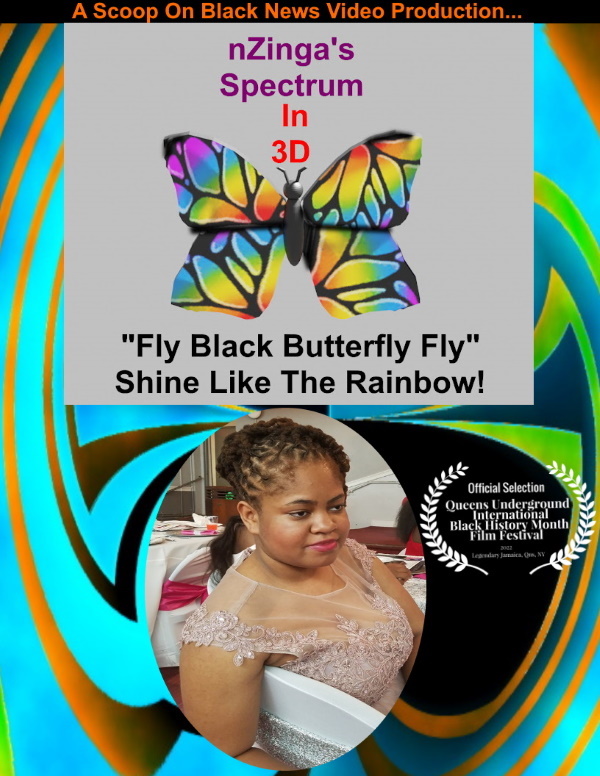
nZinga Austin is also the Co-publisher of Our Black News Scoop and Southeast Queens Scoop. The documentary of about 1/2 hr long is getting rave reviews.


No comments:
Post a Comment
Share your comments with us. No post SPAM please - it will be deleted. Only real comments please.